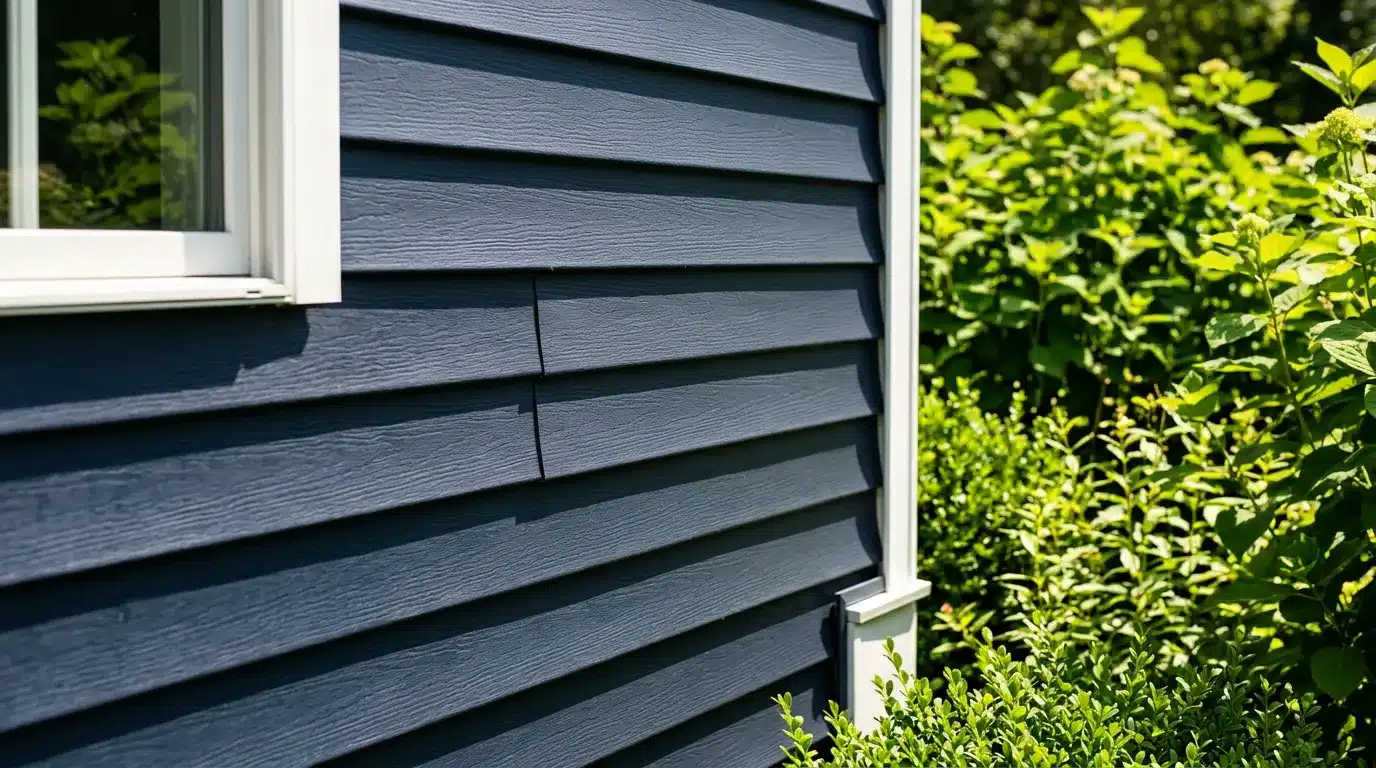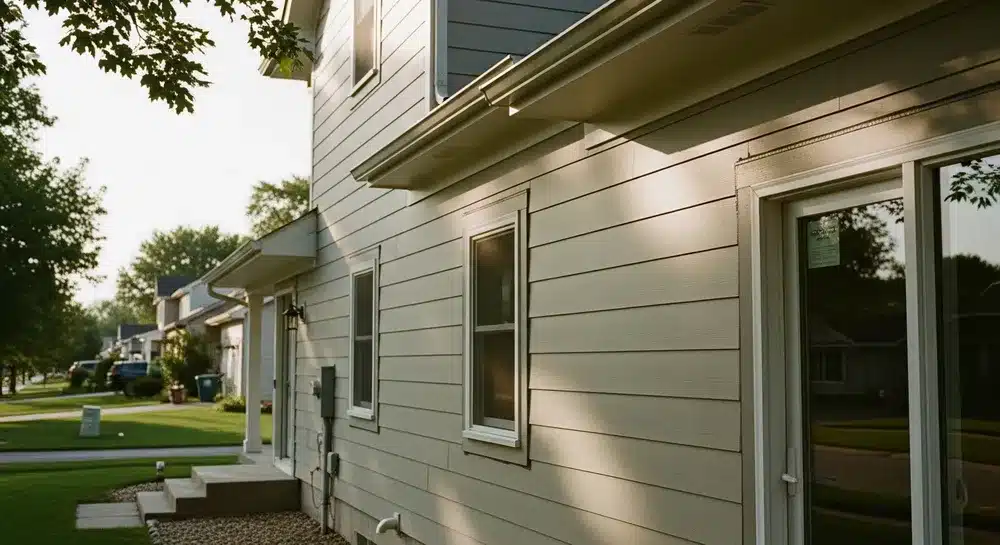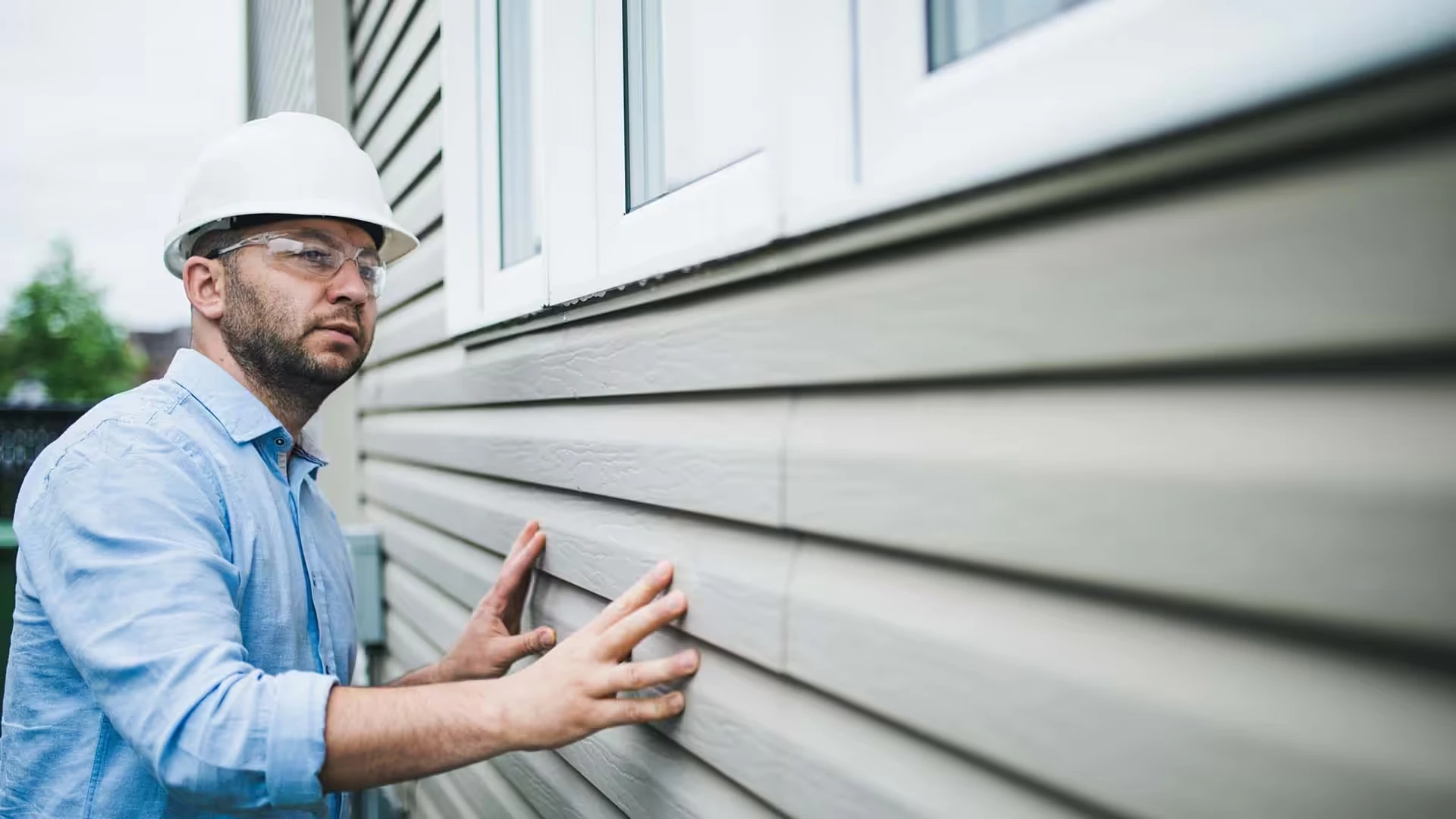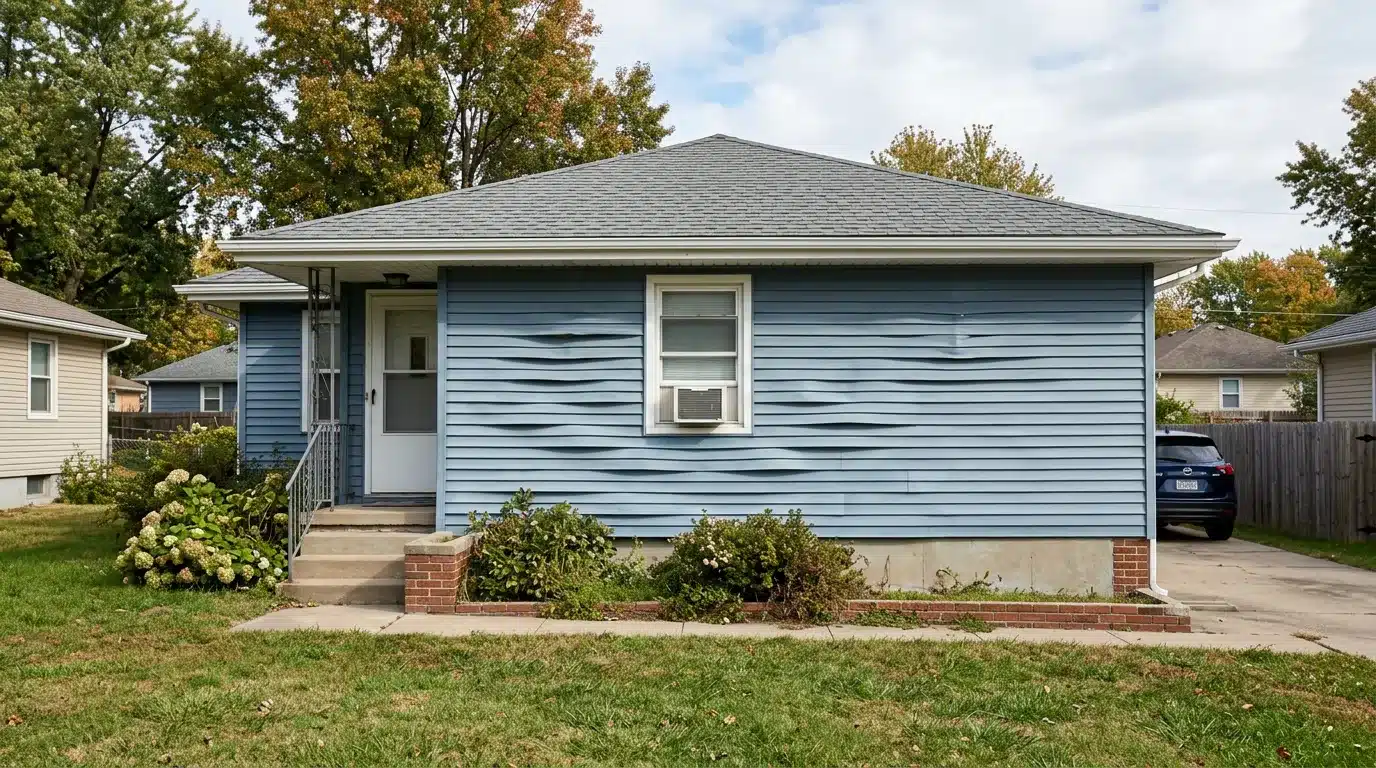
If you don’t want your vinyl siding to look like bacon, read this first.
By Acumen Renovations — Kansas City
Painting vinyl siding can be a cost-effective way to refresh a home’s appearance, especially when siding is faded but still structurally sound. Modern coatings make repainting possible — but only when the correct products, colors, and conditions are used.
When the wrong paint is applied, problems often appear much faster than homeowners expect.
In some cases, damage begins within days.
Here’s what homeowners should understand before painting vinyl siding.
Vinyl Siding Was Designed to Move
Vinyl siding is not rigid.
It is engineered to expand and contract constantly as temperatures change. Proper installation allows panels to slide slightly along fasteners so movement occurs without damage.
This flexibility is what allows vinyl siding to perform for decades.
Painting changes how the material reacts to heat and movement. necessarily because the deck was built wrong — but because wood moves.
What Happens When the Wrong Paint Is Used
When incompatible paint or non-vinyl-safe colors are applied, siding can overheat and expand beyond its design limits.
This can cause panels to:
- Warp or ripple
- Twist or buckle
- Take on a wavy appearance often described as looking like “bacon”
- Disengage from the butt lock, allowing panels to partially detach
Once vinyl siding distorts this way, it cannot be repaired — replacement is typically required.
Most homeowners think paint failure happens slowly, but in reality vinyl distortion can occur quickly because the material was never designed to absorb that level of heat or coating stress.
We’ve documented situations where severe distortion appeared within days of painting.h.
“Finished siding vs unfinished siding”
Heat Isn’t Always the Only Factor
While darker colors and heat absorption are major contributors, field experience shows failures are not always limited to sun-exposed elevations.
In some cases, severe distortion occurs across all sides of a home. This suggests certain paint formulations may chemically interact with vinyl siding in ways that accelerate deformation.
While heat buildup is a primary factor, paint compatibility itself can also play a significant role in siding failure.
Painting Vinyl Siding Voids the Warranty
Manufacturer: Pacific Woodtech (PWT)
Painting vinyl siding almost always voids the original manufacturer warranty.
Vinyl siding warranties are based on factory color formulations and tested thermal performance. Once paint is applied, those performance characteristics change.
There is, however, an important practical reality:
If siding is 20 years old or more, most warranties are already heavily prorated — often reduced to little or no remaining value.
In these cases, painting may be a reasonable option when siding is faded but still structurally sound.
The decision becomes less about warranty protection and more about managing risk correctly.
Practical Considerations Before Painting
Paint During Cooler Temperatures
Vinyl siding expands in heat and contracts in cooler temperatures.
Painting should ideally be done at the coolest temperature range allowed by the vinyl-safe paint manufacturer.
Why this matters:
- Cooler temperatures shrink panels slightly.
- Paint is applied while siding is contracted.
- As temperatures rise and panels expand, coverage remains consistent.
If siding is painted during hot conditions:
- Panels are expanded during painting.
- Cooling temperatures cause panels to shrink.
- Unpainted lines appear at overlapping seams.
This creates visible striping that cannot be corrected without repainting.
How to Tell if Your Vinyl Siding Can Be Painted — or Shouldn’t Be
Before painting, several factors should be evaluated:
- Age of siding
- Panel flexibility
- Sun exposure
- Existing installation tightness
- Previous repairs
- Manufacturer identification (if available)
Siding that appears paint-ready may already be stressed or restricted in movement, increasing the risk of distortion after painting.
Because these conditions are not always obvious, evaluation is often about understanding how the siding system is performing — not just how it looks.
Signs Paint May Be Causing Problems
Watch for:
- Rippling or wavy panels
- Buckling during warm afternoons
- Panels pulling loose from butt locks
- Distortion across multiple elevations
- Popping or movement noises during temperature swings
These are typically signs of thermal or coating stress rather than normal aging.
The Bottom Line
Painting vinyl siding isn’t just a cosmetic decision — it changes how the material behaves.
When done correctly, it can extend the appearance of aging siding.
When done incorrectly, it can permanently damage siding that otherwise may have lasted for years.
If you’re considering painting vinyl siding and aren’t sure whether it’s a safe option, that’s usually a sign the system deserves a closer look before any coating is applied.
Avoid Costly Siding Mistakes Before You Paint
Vinyl siding expands, contracts, and reacts to heat — and the wrong paint or color choice can cause warping, cracking, or premature failure.
Before you commit, we’ll assess your siding and recommend the best path forward.
Schedule a Siding Evaluation
Quick Answers: Painting Vinyl Siding
Can vinyl siding be painted?
Yes, vinyl siding can be painted, but only with vinyl-safe paint systems and approved color ranges designed to control heat absorption and allow movement.
What happens if you use the wrong paint on vinyl siding?
Using incompatible or non-vinyl-safe paint can cause rapid overheating, leading to warping, buckling, rippling, and even panels disengaging from the butt lock system.
How fast can vinyl siding warp after being painted?
In some documented cases, distortion has occurred within days when improper paint formulations were used.
Does painting vinyl siding void the warranty?
Yes. Painting vinyl siding almost always voids the original manufacturer warranty because it alters the factory-tested thermal performance.
Is it safe to paint 20-year-old vinyl siding?
Possibly. Most siding warranties are heavily prorated after 20 years, so painting may be reasonable if the siding is structurally sound and compatible paint is used.
Why do darker paint colors cause problems on vinyl siding?
Darker colors absorb more solar heat, increasing expansion beyond the material’s design tolerance and raising the risk of distortion.
Can painted vinyl siding be repaired if it warps?
No. Once vinyl siding distorts from heat or coating stress, replacement is typically required.
When is the best time to paint vinyl siding?
Siding should be painted during the coolest temperature range allowed by the paint manufacturer to ensure panels are contracted and coverage remains consistent as temperatures rise.
If you’re unsure whether to paint or replace your siding, you can learn more about our approach and recommendations on our “siding services in Kansas City”