If you're shopping for new windows, it's easy to get caught up comparing brands, styles, and glass packages. But in Kansas City, the biggest problems we see with windows usually have nothing to do with the logo on the frame.
They come down to:
- How the window manages water
- How airtight it is
- How well it's built
- And how it's installed
If you understand those four things, you'll make a much better decision.
The Most Important Factor: How a Window Manages Water
Every window will deal with water-rain, humidity, and condensation are unavoidable.
The real question is:
- What happens to that water once it gets into the system?
- There are two main approaches.
1. Internal Drainage (Weep Hole Systems)
Some windows are designed to allow water into the frame, then move it through internal
chambers and out through weep holes.
This works in theory.
But in real-world conditions-especially in the Midwest-it often creates problems over time.
2. Sloped Sill (Water Shedding Systems)
Other windows are designed with a sloped sill that sheds water outward immediately.
Instead of managing water internally, they move it away from the structure as quickly as
possible.
In our experience, this is a more reliable approach for Kansas City homes.
Why Weep Hole Systems Can Fail in the Midwest
There's a key distinction most people miss:
Weep holes designed for condensation are not the same as systems trying to manage bulk water from the sill.
When a window relies on weep holes to handle larger amounts of water-especially after routing it through multiple internal chambers-you introduce more risk.
Many window problems don't come from the product itself but from how water is handled and installed - which is exactly what we break down in "why windows leak in Kansas City homes"
What we see in Kansas City:
Clogging from debris: Cottonwood, pollen, and dust are constant. Those drainage paths don't stay clear forever.
Water trapped in the frame; Once clogged, water has nowhere to go.
Freeze/thaw damage; That trapped water freezes, expands, and can crack the frame.
Misdiagnosed problems: We've seen homeowners replace roofs and siding, only to find the real issue was the window itself.
What Fails First on Most Windows
It's not usually the glass.
1. The Screen:
This is almost always the first failure point.
Common issues:
- Rolled aluminum frames that bend easily
- Exterior spline exposed to sun, becoming brittle and failing
Some manufacturers have improved this-but many still haven't.
2. The Operating Mechanism:
For double-hung and single-hung windows, movement relies on balance systems like:
- Block and tackle
- Constant force (coil)
There's debate over which is better, but here's the reality: Both will fail eventually.
The better question is:
- How easy is it to fix?
- Are parts available?
- Who handles warranty repairs?
Don't Get Caught Up in Window Brands Alone
Many homeowners compare brands like Pella, Andersen, and Jeld-Wen. What most people don't realize:
A large portion of window glass comes from just a few suppliers-Cardinal, Guardian, and Vitro.
That means:
- Glass performance is often very similar across brands
- Most windows can meet Energy Star standards
Why Energy Star Isn't Enough
Energy Star is helpful-but incomplete.
One major factor it doesn't fully account for:
Air infiltration
That's the amount of air leaking through the window.
Why Air Infiltration Matters
A window can meet Energy Star requirements and still:
- Feel drafty in winter
- Let humidity in during summer
- Reduce comfort overall
Air leakage often impacts performance more than the glass itself.
What to Ask Before You Buy Windows
- If you want to make a smart decision, ask:
- How does this window manage water-sloped sill or internal drainage?
- What happens if the weep system clogs?
- What is the air infiltration rating?
- What type of balance system does it use?
- How easy is it to repair?
- How are the screens constructed?
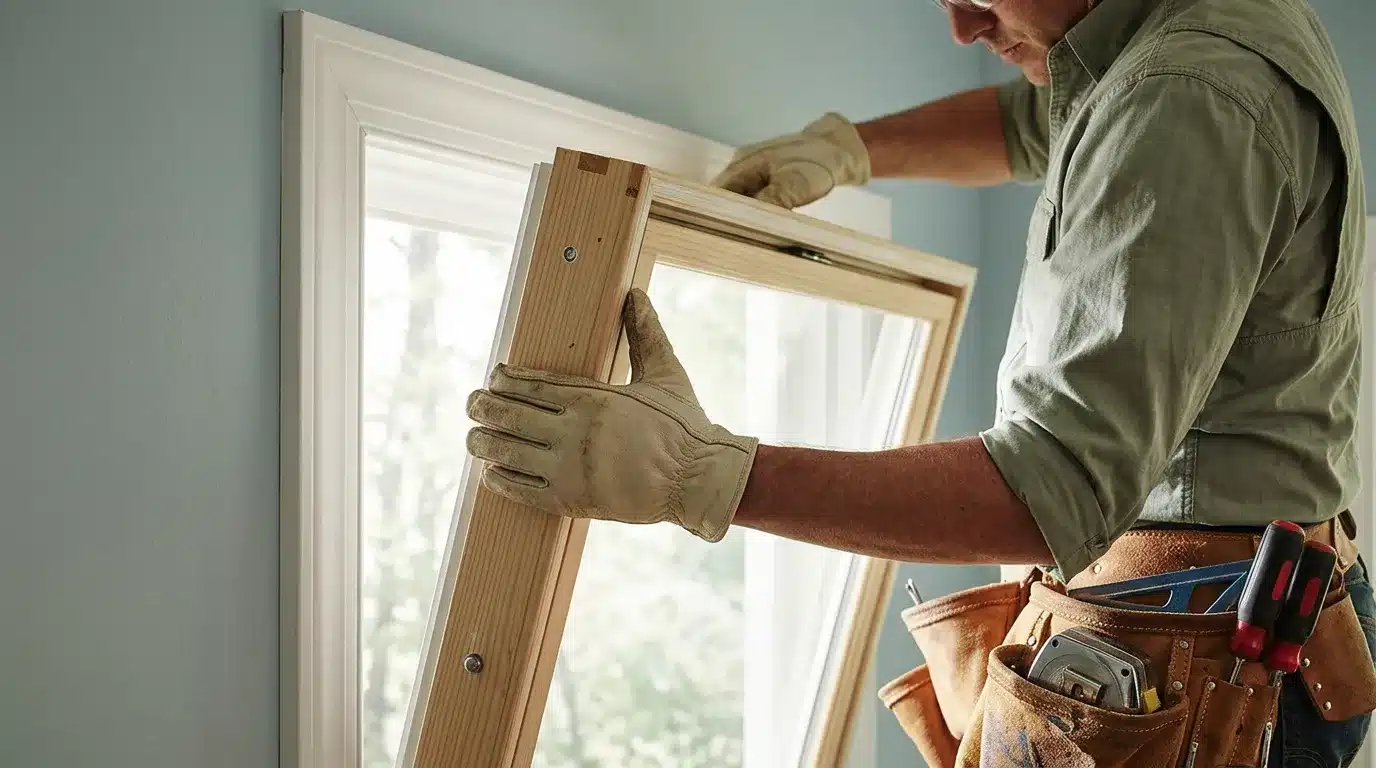
- How will this be installed and flashed?
Installation Matters Just as Much as the Window
Even the best window will fail if installed incorrectly.
Proper installation includes:
- Flashing integration
- Sealing
- Moisture barrier tie-in
- Drainage planning
A good window with poor installation is still a bad window.
Why Simpler Systems Perform Better
In a climate like Kansas City, simpler systems tend to last longer.
Windows that:
- Shed water outward
- Minimize internal drainage paths
- Reduce reliance on small components
are generally more durable and forgiving over time.
Final Thoughts
When buying windows, most people focus on what they can see.
But long-term performance comes down to what you don't see:
- Water management
- Air control
- Build quality
- Installation
Understanding those factors will help you avoid costly problems and make a better investment in your home.
If you're planning to replace your windows and want to make the right choice the first time, you can learn more about our approach on our "window replacement services in Kansas City"
FAQ
1. What is the most important thing to look for in windows?
The most important factor is how the window manages water and air. These directly impact long-term performance, durability, and energy efficiency-more than brand or appearance alone.
2. Are weep holes bad in windows?
No, weep holes are not bad. They are designed to drain small amounts of moisture. Problems arise when they are expected to handle large volumes of water, which usually indicates a bigger issue with installation or design.
3. What is a sloped sill window?
A sloped sill window is designed to direct water outward immediately, preventing it from entering or sitting inside the window frame.
4. What usually fails first on a window?
In most cases, the first components to fail are the screen or mechanical parts (like locks or balances), not the glass itself.
5. Are all window brands basically the same?
Not entirely. While many brands use similar glass suppliers, performance differences come down to design, air infiltration, and proper installation-not just the brand name.
6. What is air infiltration in windows?
Air infiltration refers to the amount of air that passes through the window assembly. Lower air infiltration ratings indicate better performance and improved energy efficiency.