Quick answer: September is the best month to fix exterior home problems before winter. Focus on five things: secure loose railings and trim dead tree limbs, clean your window weep holes and door weatherstripping, regrade any low spots where water pools near the foundation, clear the gutters and roof valleys, and clean the dryer vent and AC condenser. Handling these now prevents freeze-and-thaw damage that gets far more expensive once the cold sets in.
As summer winds down and the kids head back to school, September offers a brief, golden window for homeowners. The extreme heat is fading, but the bitter cold has not yet arrived. This makes September the best time to tackle exterior home problems before you are forced to do it in freezing temperatures, or worse, before winter weather turns minor issues into costly disasters.
If you want to get your home ready for the colder months, here is a contractor-approved checklist of exterior problems you should fix this September.
1. Eliminate safety hazards
Before you look at the structure of your home, look at the property as a whole. Your first priority should always be anything that could lead to an injury.
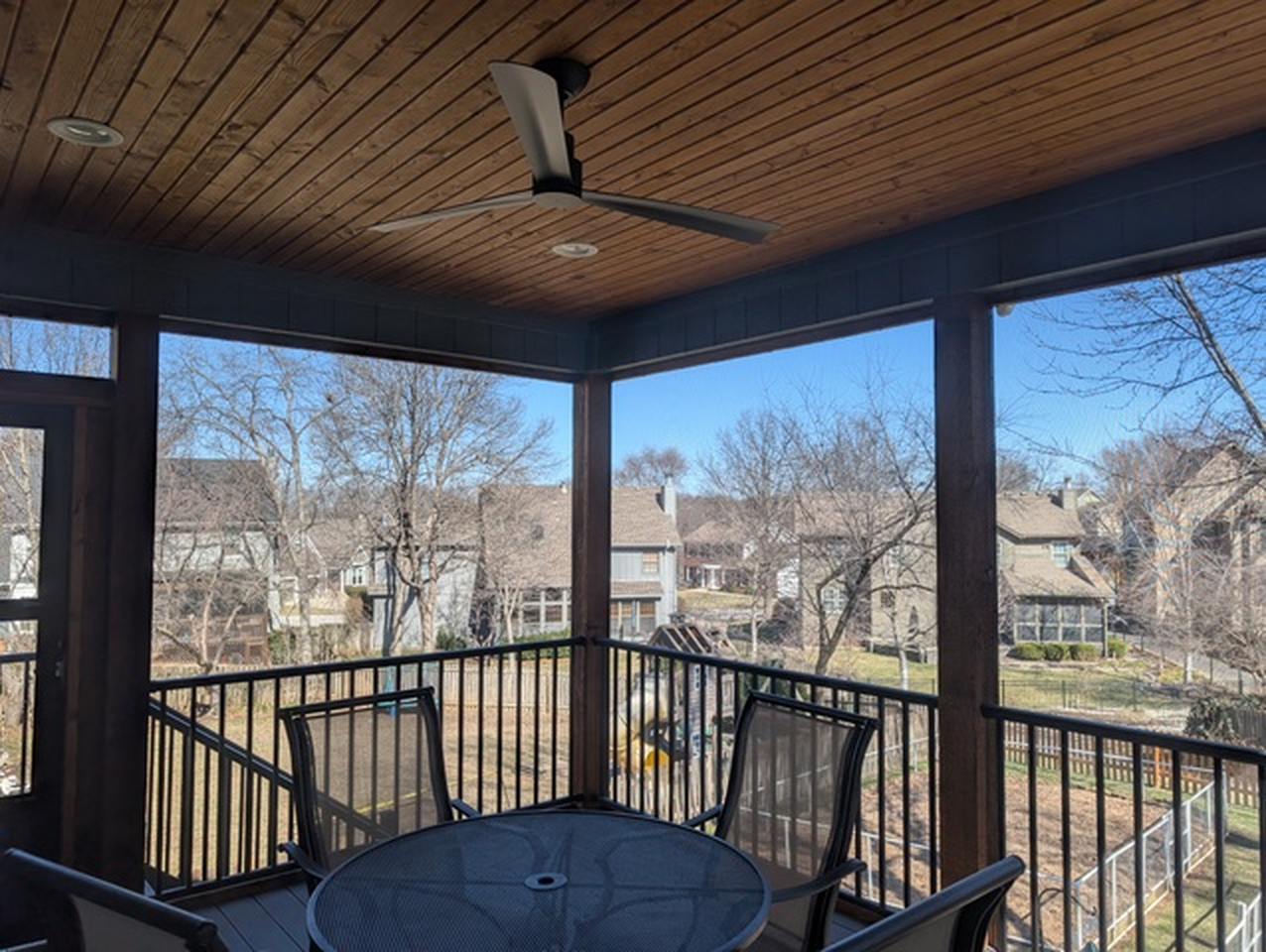
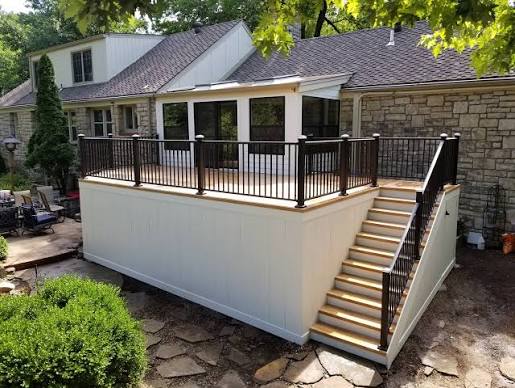
- Secure your structures: Check for and repair loose railings on decks and porches. A wobbly railing is a real safety issue, not a cosmetic one.
- Trim the trees: Look for dead or hanging tree limbs. Winter storms and high winds will easily bring these down onto your roof, car, or family members.
- Check exterior lighting: With daylight running shorter by the end of September, it is a good time to make sure all of your exterior lights, motion sensors, and pathway lights are working exactly as expected.
2. The easily missed window and door maintenance
One of the most critical things homeowners miss is cleaning the tracks of their sliding doors and the exterior sills and weep holes of their windows.
This should be done at least once a year. If the weep holes in your windows get clogged with dirt and debris, the window frame will start to retain water. In a Kansas City winter, when that trapped water goes through freeze-and-thaw cycles, it expands and can crack the frame of your window.
If this happens, especially if proper redundancies were not in place during the original installation, you could end up with a massive mold and water-damage problem inside your walls. I have personally diagnosed this exact issue several times where it went unnoticed by others for years.
Quick door fix: While you are looking at your doors, check the weatherstripping. Replacing bulb seals on newer doors is an easy win. Usually it is just a matter of pulling the old friction-fit seals off and pressing the new ones in. Neglecting this leaves you with a drafty house and higher heating bills all winter.
3. Protect your foundation from pooling water
Take a walk around your yard and look at the grading. You need to address any low areas in the landscaping right next to your foundation.
You never want water pooling against the house. When that water inevitably goes through freeze-and-thaw cycles, it can wreak havoc on your concrete foundation, leading to cracking, shifting, and leaks in your basement or crawlspace. Fill those low spots with topsoil and ensure water drains away from the home.
4. Clear the roof and gutters
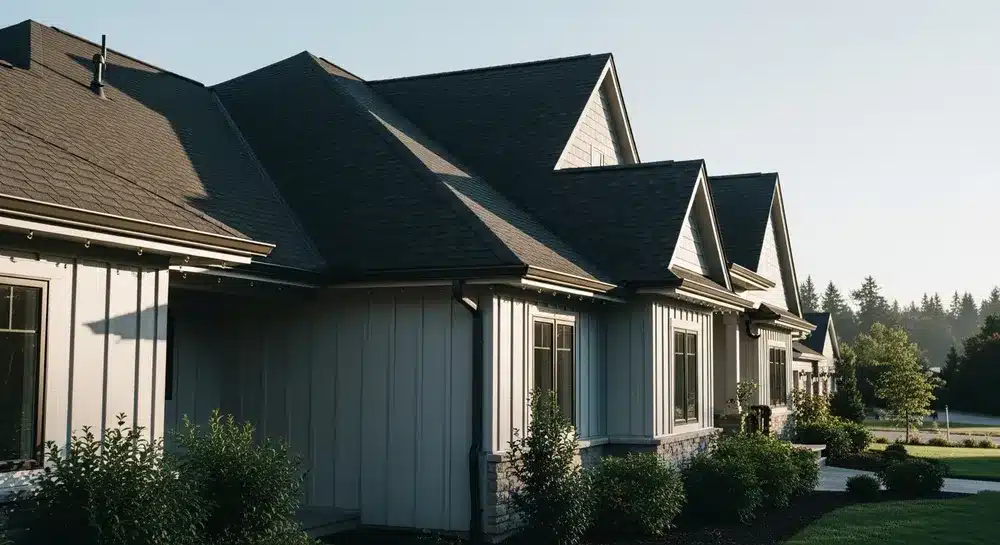
Fall means falling leaves. Make sure your gutters and roof valleys are completely clean of debris. Once they are cleared out, run some water through them to check for any leaks, blockages, or overflowing areas before the autumn rains and winter snows hit.
5. Service the vents and AC unit
Take a walk around the perimeter of your home and locate your dryer vent exhaust. Clean the vent pipe all the way to the outside to ensure the flapper opens and closes freely. A clogged dryer vent is a major fire hazard.
Finally, take the time to clean the debris, leaves, and cottonwood out of your AC condenser. While you hopefully will not be running it much longer, keeping the unit clean means it has to work much less hard, significantly extending the life of the equipment.
Need to tackle larger exterior projects?
Sometimes, regular maintenance reveals that it is time for a larger replacement. If you are looking at a full exterior remodel but are not sure what to do first, roof, siding, or windows, we recommend reading our guide on what home exterior projects you should prioritize and why.
Frequently asked questions
When is the best time to do exterior home maintenance?
Early fall, and September in particular, is the ideal window. The extreme heat has faded but the hard cold has not arrived, so you can fix exterior problems in comfortable conditions and get ahead of winter, when small issues turn into expensive ones during freeze-and-thaw cycles.
What happens if window weep holes get clogged?
When weep holes clog with dirt and debris, the window frame starts to retain water. In a Kansas City winter, that trapped water freezes, expands, and can crack the window frame. Left unnoticed, it can lead to serious mold and water damage inside the walls. Cleaning the sills and weep holes once a year prevents it.
Why does water pooling near the foundation matter in winter?
Water that pools against the house goes through freeze-and-thaw cycles all winter. That repeated expansion can crack and shift a concrete foundation and cause leaks in the basement or crawlspace. Regrading low spots so water drains away from the home is one of the most important fall fixes.
Is a clogged dryer vent really dangerous?
Yes. A clogged dryer vent is a significant fire hazard. Cleaning the vent pipe all the way to the exterior, and confirming the flapper opens and closes freely, is a quick fall task that genuinely protects your home.
Acumen Renovations handles the exterior work these checks turn up, across the Kansas City metro: windows and doors, gutters, decks and railings, siding, and drainage.
If something on this list looks worse than a weekend fix, send us a note describing what you are seeing and we will tell you what it actually needs. Reach out here.